


How to Start a Shipping Container Cafe or Restaurant
One trend taking the competitive food industry by storm is the rise of shipping-container cafes, bars, and restaurants.
Shipping containers are captivating foodies and restaurant owners with their rustic charm and practicality. Providing both lower overhead costs and an eco-friendly alternative to traditional buildings, they’re especially popular with aspiring restaurateurs looking to break into the food business.
If you’ve been dreaming of bringing your gastronomic creations to the world, join the shipping container coffee shop, cafe, and restaurant revolution!
Choosing the perfect unit for your shipping container kiosk
Size
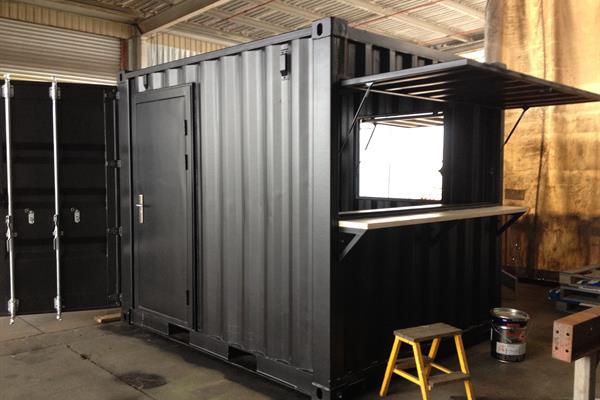
Assess your menu, kitchen, storage, and customer capacity requirements to determine your ideal container dimensions. Do you need interior space for customer seating? You might want to consider a 40ft shipping container. If you’re running a simple takeaway store, a 20ft shipping container or 10ft container is big enough for a kitchen and kiosk.
Container type
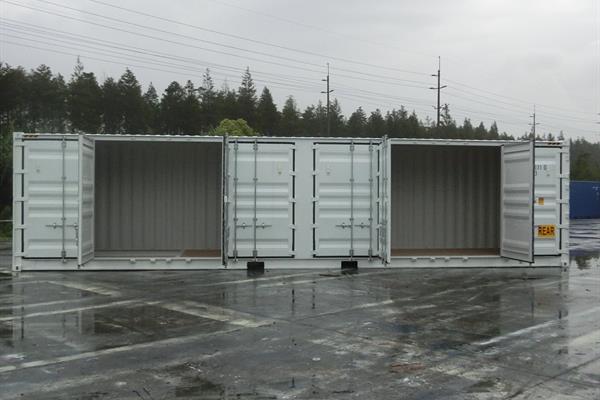
While most shipping container cafes and restaurants make use of standard containers, you can also choose from other container types. High cube containers, which offer an extra 30cm of headroom, and side-opening containers, which have doors on the long side, are especially well-suited for container cafes and restaurants.
Customisation
Container modifications are key to creating a functioning cafe. Beyond the basics — like windows, doors, ventilation, and insulation — you can customise your container with brand colours, designs, and custom storage.
Budget
Used shipping containers can offer cost savings but may require more maintenance, while new containers provide a clean slate for customisation. SEA Containers can help you find a suitable container at the right price, setting the stage for a thriving business!

Designing your shipping container restaurant
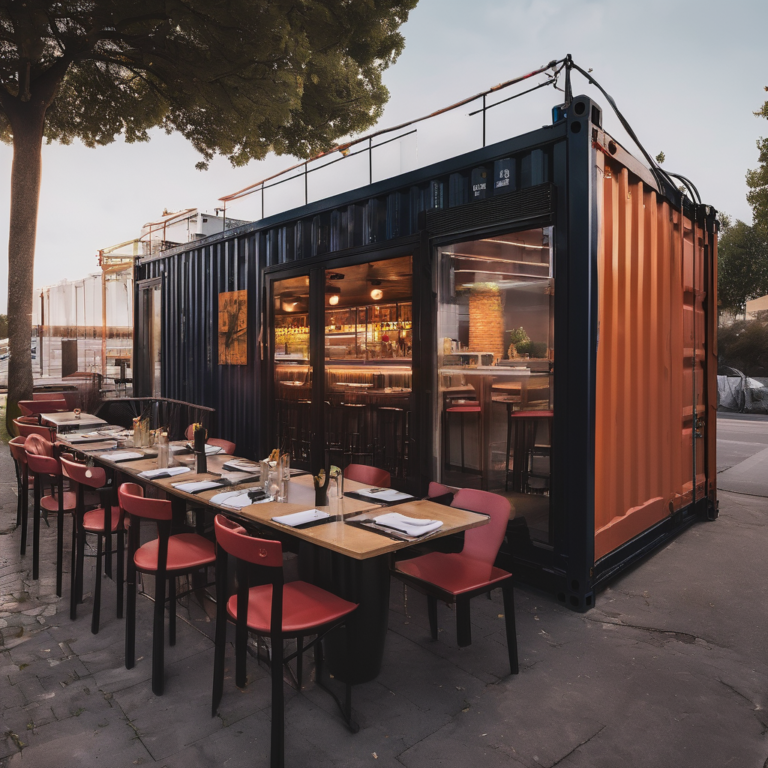
There are so many uses for shipping containers. Get creative when designing your shipping container bar, cafe, or eatery!
- Construct a memorable brand identity using repurposed, innovative or sustainable materials for your decor and furnishings that align with your container’s character.
- Pick lighting fixtures, colours and music that make sense with your brand and menu. For example, vibrant colours typically pair well with Mexican cuisines; minimalism goes hand in hand with coffee shops; and rustic designs suit pizzerias.
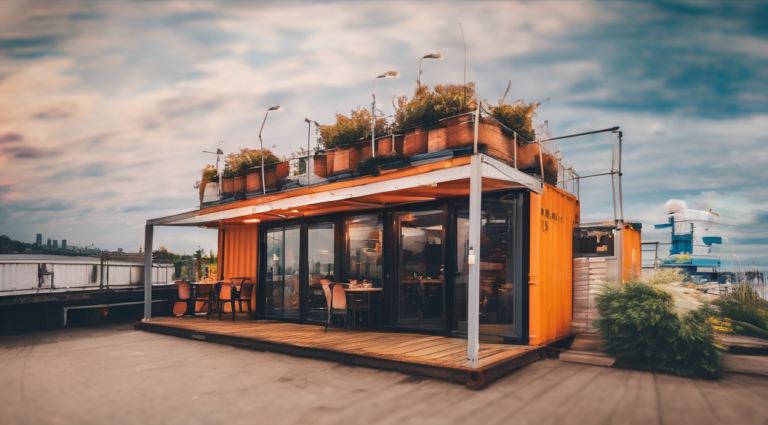
- If your location permits, a rooftop garden allows for ample greenery, brightening up the space. Otherwise, consider plants and flowers around the outside of your container for a comfortable environment with some natural colour.
- Consider the placement of the kitchen area to facilitate efficient food preparation and service while also leaving ample room for the seating arrangement. Comfortable seating, communal tables, cosy nooks, and a warm ambience can make dining an unforgettable experience and maximise space.
- Most importantly, outfit your shipping container with the essential kitchen equipment. Commercial-grade stoves, ovens, refrigerators, storage solutions, and prep stations are fundamental for efficiency and quality.
Legal and practical considerations for container cafes
Getting excited to launch a shipping container pop-up store in the food industry? There are a couple of legal and practical things to think about first:
Permits and licenses
Before you buy a container or start planning your design, organise the necessary permits and licences to operate a food business in New Zealand. The Ministry of Primary Industries has set out the steps you’re required to take when starting a food business, as well as the health and safety regulations you must adhere to.
Locations and zoning
Choose a suitable location for your shipping container restaurant, bar or cafe and ensure it complies with local zoning laws and building codes. Some areas may restrict food businesses, so verify with your local council that your chosen spot is permitted for your intended use.
Financing
Create a detailed business plan that outlines your idea, target market, revenue projections and anticipated expenses. This plan will be invaluable when approaching investors, banks, or other funding sources.
Hiring staff
Start recruiting a skilled and passionate team as your restaurant, bar, or cafe takes shape. Focus on hiring personnel with the expertise or commitment to deliver a dining experience that aligns with your vision.
Logistics management
Efficient logistics are critical for smooth operation. Plan your supply chain carefully to ensure a steady flow of ingredients and resources and avoid service disruptions.
Building a customer base
Use online and offline marketing strategies to attract new customers to your shipping container restaurant. Leverage social media platforms to showcase your innovative idea and offer promotions to attract new diners.
Customer experience
Prioritise customer satisfaction by providing outstanding service, quality dishes, and a welcoming atmosphere. Encourage feedback and respond to reviews, as positive word-of-mouth can significantly impact your cafe or restaurant’s reputation, whether it’s a permanent fixture or a temporary addition to the local food scene.
Sustainability and ethics
Highlight any eco-friendly initiatives, local sourcing of ingredients, and responsible waste management to appeal to conscious consumers. Stay adaptable and open to evolving trends and customer preferences. Regularly update your menu and consider hosting special events to keep patrons excited about returning to your cafe or restaurant.
Launch your restaurant or coffee shop in a shipping container
After high-quality, cost-effective shipping containers? SEA Containers is your go-to. With multiple sizes and types to choose from, we provide the ideal solution for shipping container pop-up shops.
Our team has supplied retail container conversions for businesses across New Zealand. So if you have a passion for food and a vision for a unique, eco-friendly, and cost-effective dining concept, contact the team at SEA Containers on 050 8732 266 to discuss our range, get an instant quote, or find a depot near you.
Considering another business venture? Learn more about shipping containers for retail stores or festivals.
Related Blogs:
10 Innovative Shipping Containers Uses
Mobile Cinema: How to Create a Pop-up Shipping Container Movie Theater
Urban Farming: How to Start Vertical Farming with Shipping Containers
Retail Innovation: Using Shipping Containers for Unique Retail Spaces
How Shipping Containers Can Be Used as Stages and Event Spaces
