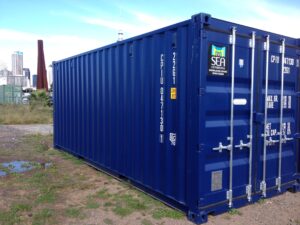
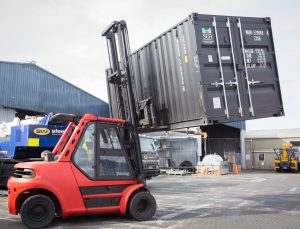
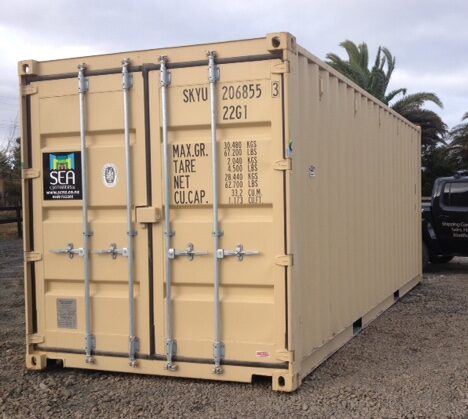
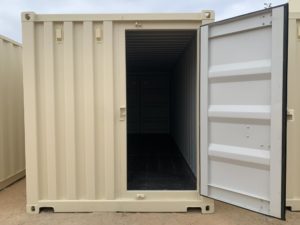
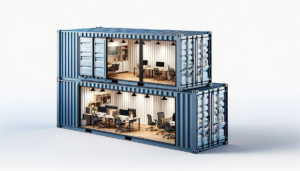
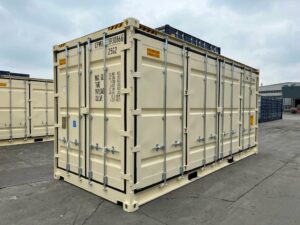
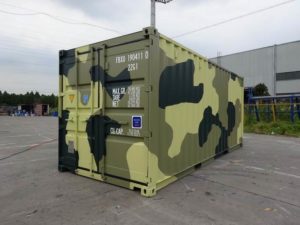
Can shipping container data centres become
the answer to the the lowering of operational costs, and limited space in
addition to being more energy efficient for many of the larger corporations? The interest in containerised data centres was
sparked by approval of high-profile exposure from Microsoft and Google. You’re cordially invited to this viable option
when designing a data centre.
![]()
Traditional data centres present a number
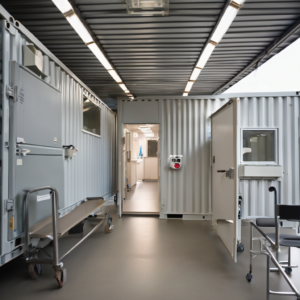
of challenges in not being portable and not being easy to customise. It might seem incredible that a shipping
container can house racks and cabling in order to plug in to hundreds and sometimes
thousands of servers. There are those who are of the opinion that containerised
data centres are the best option, whilst others believe that is only suited to
some organisations.
What are the benefits of shipping container data centres?
There are many benefits in using a
modularised data centre. While considerable cost is involved in designing a traditional
data centre in the event of a crisis, modularised designs can be designed for
the most effective ecosystem, with the use of the exact amount of power,
cooling and capacity required, due to conformity in its systems design. There
are many other advantages too.
1.
A container module is portable
and can be used many times as it is pre-wired and can be examined and set up
more efficiently since all the tests, construction and design are done at the
factory.
2.
These containerised data
centres can be used when they require more space to expand existing data
locations or can be shipped swiftly and set up in a faraway locations for use
in
an emergency or where
compute power is required but no local data centres are accessible.
3.
Power and material can be preserved
as no boxes are required or any other packing material for individual servers.
Servers are installed when delivered, and ready to operate.
4.
Installation is uncomplicated.
All that needs to be done is to connect the power, the water(cooling) and the data.
5.
According Les Pelio, a real
estate developer, customers are reluctant to pay exorbitant amounts of money
for a facility to merely switch on two or three racks of servers, storage and
networking gear. By opting for a shipping containter data centre module,
customers only pay as per their requirements, and obtain immediate access to
the new IT resources, he said.
Are shipping container data centres the best solution and what requirements do they fulfil?
If we look at Chicago, the decision to use
containerisation was essentially based on the idea that it was the most
effective way to utilise a large capacity for servers efficiently for the sake
of reducing carbon wastes as well as for expanding ROI. The containerisation
approach is not necessarily suitable for everybody as companies have different
needs. They are ideal for a stand-alone data centre, or huge organisations
transporting servers, as is the case with Military divisions entering foreign
countries.
Patrick Yantz, senior director of modular
data engineering, said; “We have to have a way to deliver more computing more
efficiently and more easily.”
Should you be interested in purchasing a shipping
container for your company, organisation or school, please contact our
friendly team at SEA Containers. We deliver nationwide.