fast50
 
Call 0508 732266 or email us
* Required


Blog

Blog

Used Container Grading

Friday, July 01, 2016

When deciding to invest in a used container, you will encounter grading acronyms that might not make much sense to you. It can all be confusing, as there is no clearly outlined grading system used internationally. In this article, we will endeavour to shed more light on grading and certification systems. The acronyms referred to are IICL, CW, WWT, CSC, ACEP, ISO and so forth. To make things easier, we grade our used containers as A, B, or C. What does all this mean? Here are the key acronyms and what it stands for, to help you make a more informed decision. 

  • IILC – Institute of International Container Lessors – An organisation of the largest container and chassis leasing companies throughout the world. The IILC provides repair standards, which is applicable for all repairs done to containers when off hired. IILC is the strictest criterion available for used containers.
  • CW -Cargo Worthy – Criterion that ensures that a container deemed cargo worthy is fit to carry cargo under TIR/UIC/CSC and complies with all standards in the original specifications. It signifies that the container has a valid CSC. You would need to get a third party container surveyor to carry out a physical inspection of the used container you want to send overseas.
  • WWT – Wind & Water Tight – It means exactly what the title says, “wind and water tight”. By way of explanation, it means that if you lock yourself inside the container, there should be no light shining through the roof or panels. It is important to note that it does not make reference to the standard of the understructure. A WWT container is usually not suitable for the transport of cargo; except when it clearly states that it meets the CSC. WWT is a frequently used term to classify used storage containers. In short, WWT plus CSC equals CW.
  • CSC – Convention for Safe Containers – Is in existence since 1972, to foster and maintain a highly efficient level of safety of human life in the handling and shipment of containers by implementing commonly acceptable evaluation procedures and relevant strength conditions. It helped enable the international transport of containers by providing uniform international safety regulations.
  • ACEP – Approve Continuous Examination Program – quality inspection programs set up by owners of containers to supervise the condition and maintenance of their containers. Considering that a unit is monitored under ACEP; it is exempted from undergoing the periodic re-inspection. Departure from the program under which the container was originally built and maintained, in the event of a sale means that containers will be required to be inspected under CSC so that it can be approved for shipping and to ensure an approval limited in time.

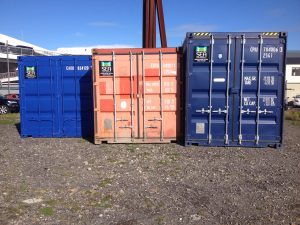
As previously mentioned, when referring to grading standards, it is crucial to bear in mind that companies have their internal classification system, as opposed to an international standard for purchasing containers. That does not imply that that two companies using Grading terms A, B, or C, necessarily mean the same for both. The grading tends to apply to the cosmetics of the container rather than structural quality, and hence are not international grading standards. It is imperative that you ask for an explicit definition of the grading system. In an attempt to give readers more insight into what they can expect, we produced a table of the most common classifications with different classification categories:


Especially when purchasing a container you have to think carefully and clearly define your requirements and desires. The three fundamental questions you almost certainly want to ask yourself are: 

  • 1. Do I require/want a container for cargo?
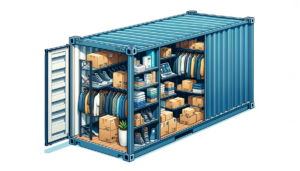
  • 2. Do I require/want a container for storage?
  • 3. How significant are cosmetics to me?

These are the crucial questions you need an answer to when looking to buy a container. You can make more informed choices and invest in the appropriately certified container as per your requirements. Take heed; there are many dodgy companies out there. Do not be reticent to do your homework and ask for references. In conclusion; it is of paramount importance that you verify that you are dealing with a reputable company.

Do not hesitate to contact our expert team for further information about grading and certification of used containers.


Trackback Link
http://www.seacontainers.co.nz/BlogRetrieve.aspx?BlogID=13549&PostID=671780&A=Trackback
Trackbacks
Post has no trackbacks.

Recent Posts


Tags


Archive

Get a quick quote

Contact Name


Yes
No